
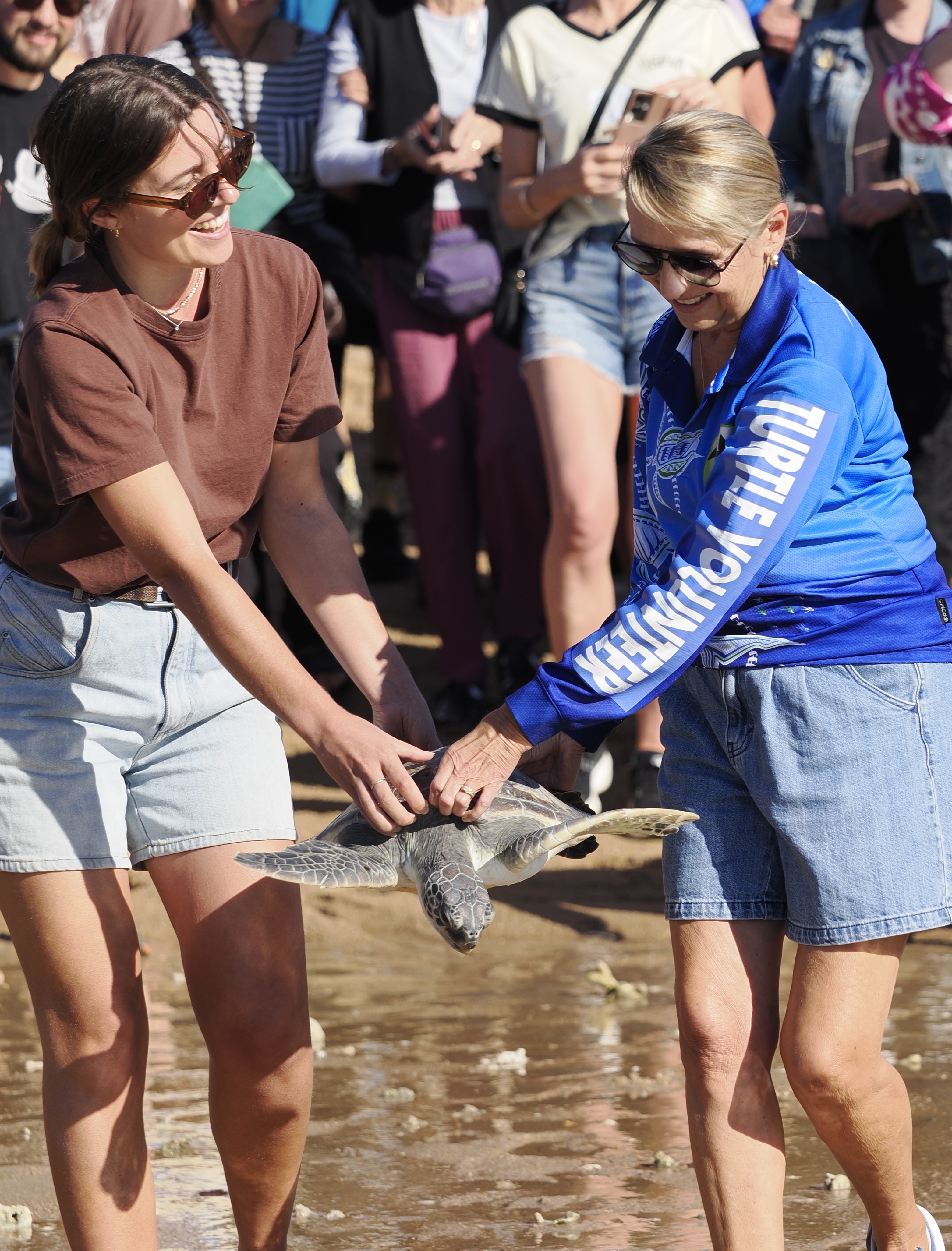

Rehabilitation
MINT operates a rehabilitation facility on Magnetic Island to care for sick and injured sea turtles, supporting recovery and release wherever possible.

Nesting
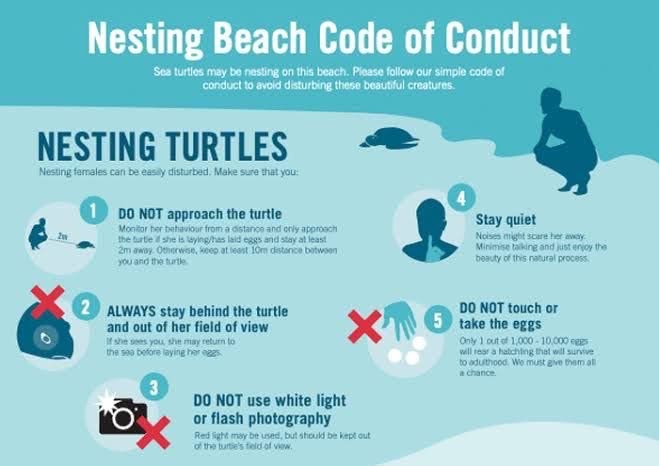
We monitor nesting and hatching activity in the Townsville region, including Magnetic Island, and take action to improve hatchling success.

Stranding Response
MINT responds to sick, injured and deceased sea turtles, and sometimes other marine wildlife, across the Townsville region.

Awareness
We provide education and awareness to the local and wider community about sea turtle conservation and the actions people can take to help.
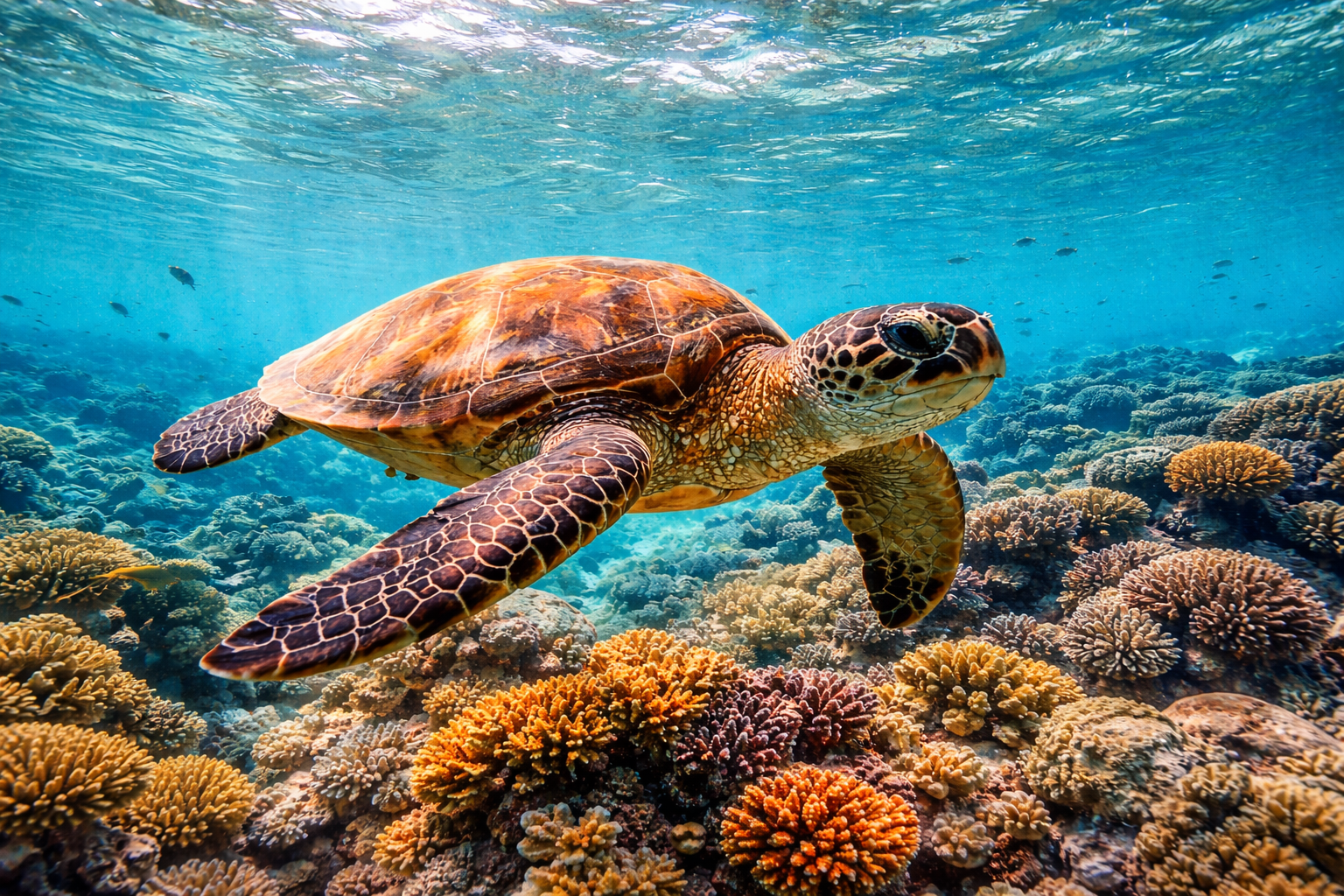
Sea Turtles Need Our Help
Local conservation matters
Sea turtles are ancient marine reptiles that play an important role in healthy ocean ecosystems. Of the world’s seven sea turtle species, six occur on the Great Barrier Reef, and several are regularly seen in the waters around Magnetic Island and the Townsville region.
These remarkable animals face increasing pressure from human activity and environmental change, making local conservation action more important than ever.
Learn more about our workSpecies We Help
Green Sea Turtle
Chelonia mydas
The most common species around Magnetic Island. Named for the greenish color of their fat, not their shells. Adults are herbivorous, feeding primarily on seagrass and algae.
Size:
Up to 150kg
Status:
Vulnerable
Learn more about Green Sea Turtles
Natator depressus
Named for the shape of its shell, which is flatter and smoother than that of other sea turtles. Flatbacks are carnivorous, feeding on jellyfish, crustaceans, and mollusks. Found only within Australian waters.
Size:
Up to 100kg
Status:
Vulnerable
Learn more about Flatback Turtles
Hawksbill Turtle
Eretmochelys imbricata
Distinguished by their beautiful, overlapping shell plates and
hawk-like beak. They feed primarily on sponges and play a crucial role
in maintaining reef health.
Size:
Up to 80kg
Status:
Critically Endangered
Learn more about Hawksbill Turtles
Threats Facing Sea Turtles
Human and environmental pressures continue to affect turtle survival
Climate Change
Sand temperature can affect hatchling sex ratios and nesting success.
Pollution
Plastic, flood debris and contaminants can injure or kill turtles.
Boat Strike
Vessel impacts can cause severe injury or death.
Habitat Loss
Damage to seagrass meadows, reefs and beaches reduces feeding and nesting opportunities.
Unsustainable Hunting
In some places turtles remain vulnerable to illegal or unsustainable use.
Feral Predators
Animals such as pigs and dogs can destroy nests and eggs.
How You Can Help
Small actions by many people can make a real difference
- Slow down on the water and watch for turtles surfacing.
- Join beach and river clean-up efforts.
- Reduce single-use plastic and choose reusables.
- Avoid driving on nesting beaches.
- Keep dogs away from nesting and hatching areas.
- Use red lights only near hatchlings.
- Support conservation groups working directly with turtles.
Conservation in Action
Real local impact
Every rescue, nest monitored, hatchling protected and community conversation helps build a safer future for sea turtles.
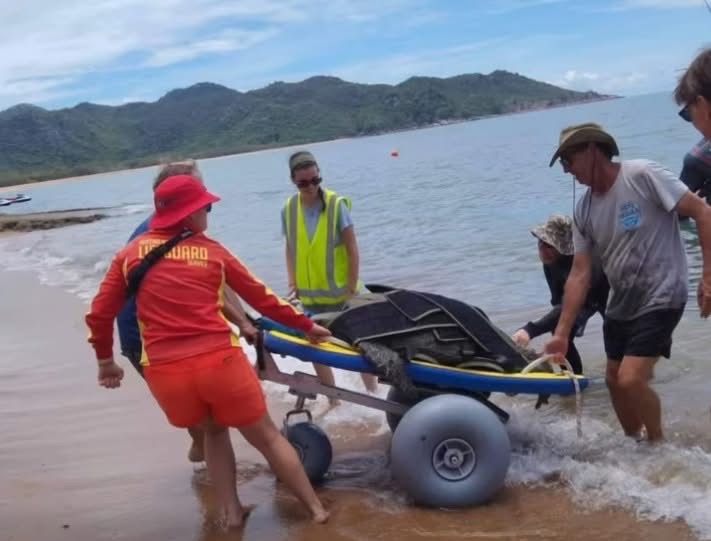
Rescue and Rehabilitation
Share a short story about a turtle rescue, treatment milestone, or release outcome.
Read more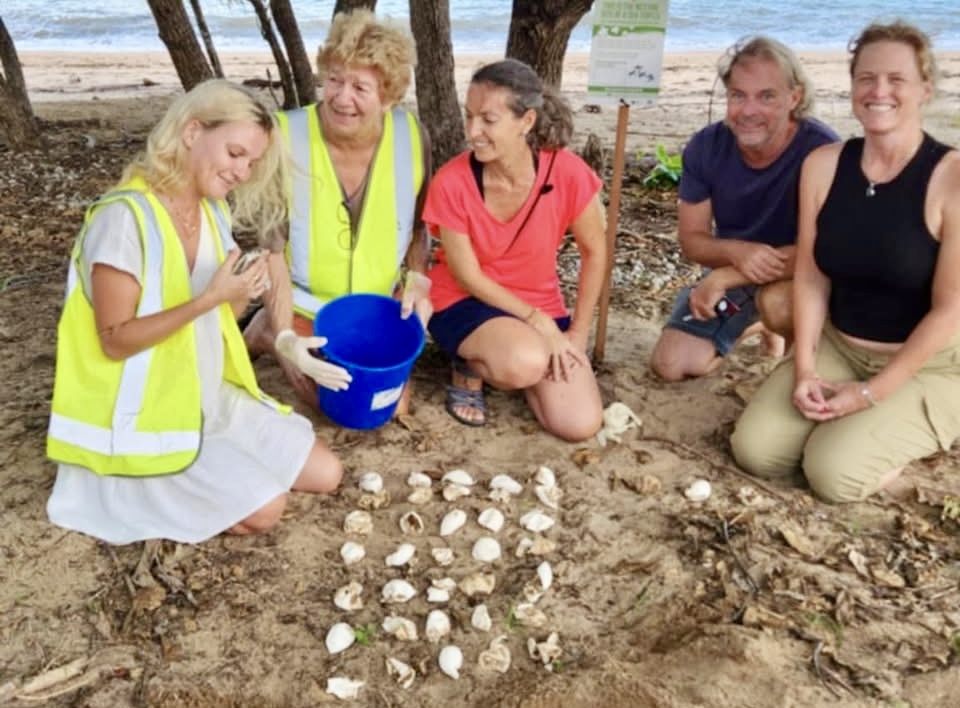
Nest Monitoring Success
Add a brief update about nest protection, hatchlings, or volunteer field work.
Read more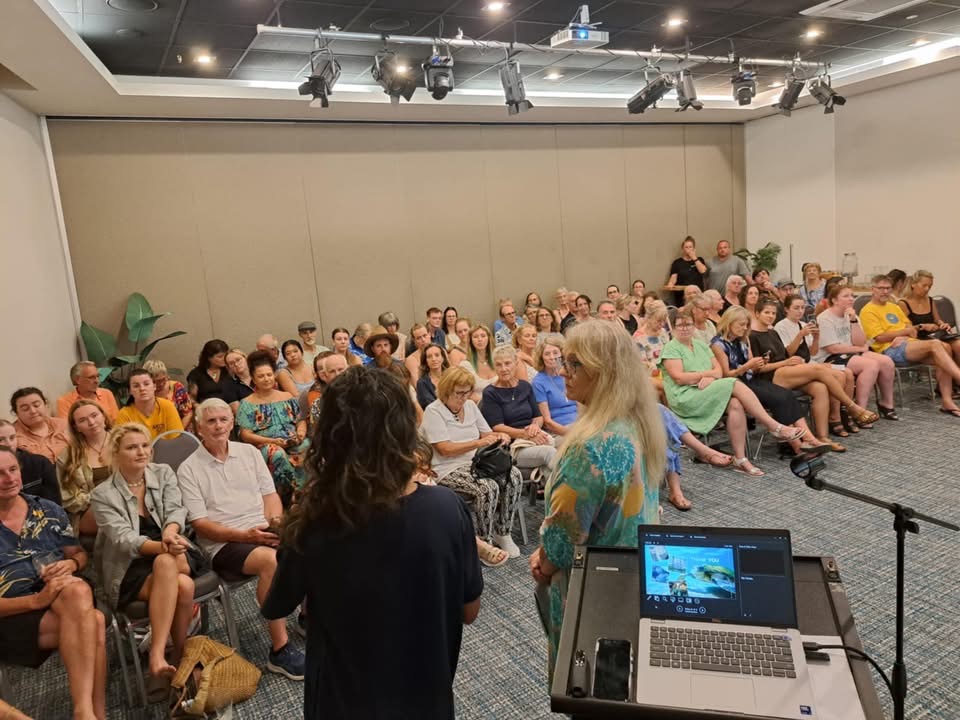
Community Awareness in Action
Use this card for outreach, education, partnerships, or volunteer engagement news.
Read moreWorking Together for Sea Turtles
Partners and supporters
MINT works collaboratively with researchers, government agencies, community organisations, local businesses, veterinarians and Traditional Owners to achieve the best outcomes for sea turtle conservation.


Take Action
Help Protect Sea Turtles Today
Your support helps power rescue, rehabilitation, nest monitoring and education across our region.